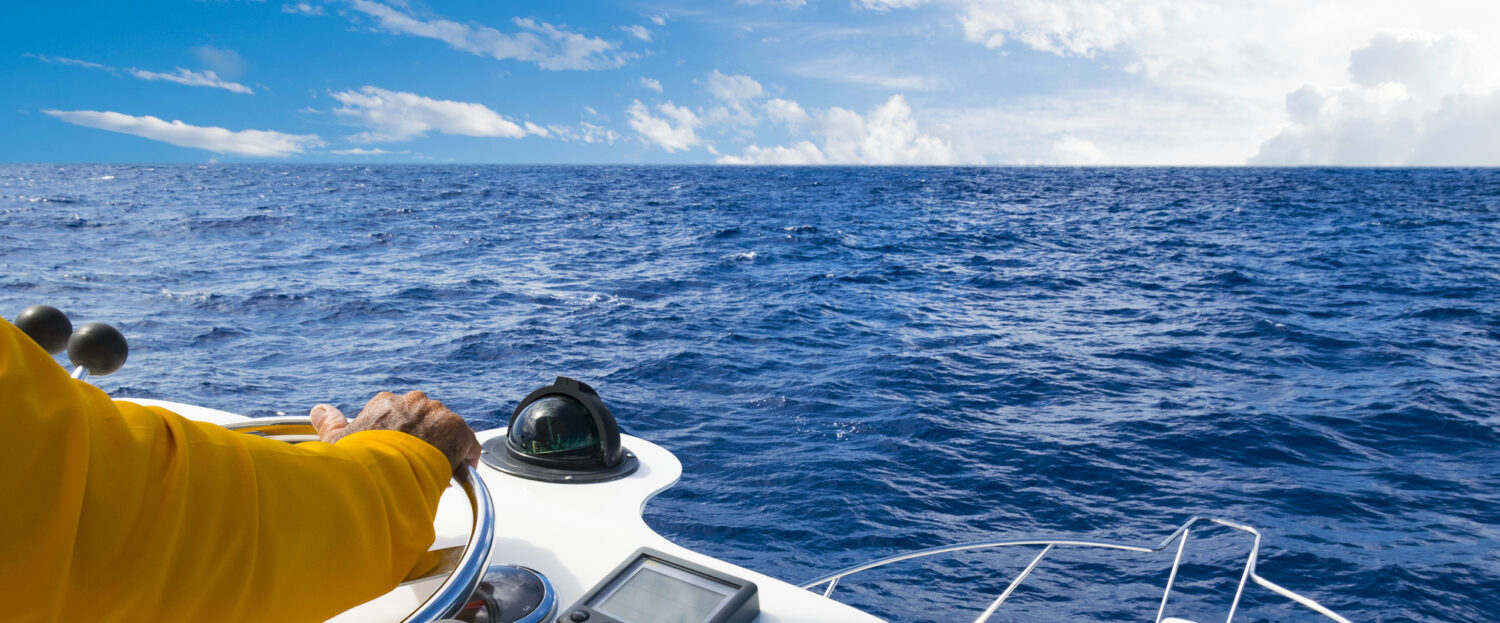
Boats creak and sway. Water laps against wooden hulls. A strong odor of salt irritates the nostrils. English coastal communities established their way of life through these basic components since the centuries began.
The ocean permeates throughout every fabric of English society. The maritime traditions in England have formed unique local identities through the differences between bustling ports of Liverpool and quiet fishing communities of Cornwall. Fish catch becomes a smaller part of this living practice because the whole heritage exists throughout each day.
During Victorian times the English people became deeply fascinated with recreational boating activities. Members of affluent families spent their wealth to purchase yachts which they used for sailing along coastal regions. Rowing clubs formed along rivers. Several speedboats raced swiftly between the water’s surface of lakes.
This tradition evolved. Several social strata participate in water recreation activities today. Narrowboats enable people to sail under the countryside’s pace. Speedboats zip across reservoirs. All sailing club members accept participants of different skill levels.
The maritime pleasure culture is illustrated at Henley Regatta. People arrive at this event dressed in colorful attire throughout each summer. The Thames water becomes a stage where sleek boat shells skim across its surface. The river becomes equal to the endless flow of champagne bottles throughout the celebrations.
Angling as Passion
Recreational fishing thrives across England. Rivers offer trout and salmon. Lakes house pike and perch. People who fish from sea locations stand at their piers and beach locations to catch any fish passing by.
Fishing clubs organise competitions. Members of every fishing enthusiast group share their knowledge through internet discussion boards. Through their tackle shop services these establishments take on the role of places where customers exchange both stories and advice about their fishing activities.
Many anglers focus on conservation. They practise catch-and-release. They monitor water quality. Fishermen perform their responsibility to inform authorities about pollution occurrences in their waters. Fishermen dedicate their energy to fishing with more depth than catching fish only.
Wooden Craft: Building and Restoration
Boat building exists as a practice rather than an industrial production method. Traditional craftsmanship continues to operate from woodworking businesses which exist across Suffolk and Devon. Throughout their apprenticeship trainees master the task of working with oak ribs and planking materials. Their workmanship produces boats which last longer than they themselves do.
Restoration projects save historic craft. Many volunteers donate their time to the task of sanding while performing varnishing work and timber replacement tasks. They research original designs. They source authentic materials. Their dedication preserves maritime knowledge.
Maritime festivals celebrate this craftsmanship. Restored vessels parade through harbours. Crowds admire varnished woodwork. The demonstration of skills by hand workers restores nearly forgotten techniques from the distant past.
Modern Innovations
Technology transforms maritime pursuits. The fishers use GPS technology to locate fishing zones with high productivity. Weather apps provide vital forecasts. Underwater fish detection occurs through sonar technology.
Sustainable approaches gain traction. Solar panels power onboard electronics. Electric motors propel smaller craft. The implementation of fishing gear that breaks down naturally lowers the amount of damage to natural environments.
Social media connects maritime communities. Fishers share market information. Boat enthusiasts exchange restoration tips. Towns along the coast attract widespread interest for their historic heritage sites.
The sea remains unpredictable. Boats still creak. Water still splashes against hulls. The evolution of traditions results in their survival and not their complete elimination. The present maritime story of England remains active and continues to be written by the brave seafarers of today.